
Frequently Asked Questions
Browse our comprehensive knowledge base for guidence on 304L and 316L storage for demanding agriculture and industrial liquid products.
Find answers to the most common questions about bulk liquid storage.
Sales & Ordering
We specialize in stainless steel storage solutions for the agricultural and industrial sectors. Our product lineup includes:
-
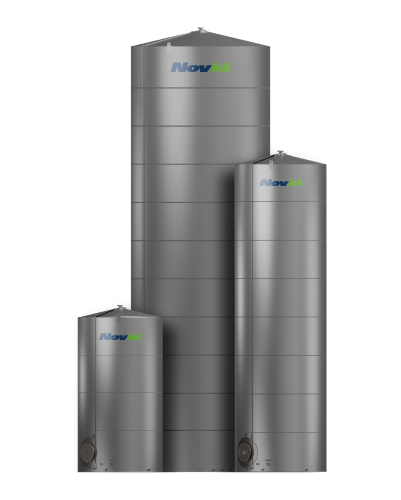
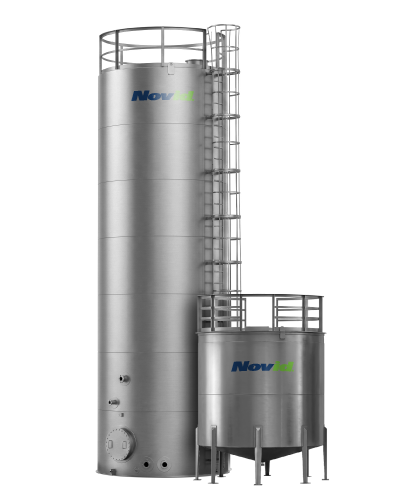
Flat Bottom Storage Mixing Tanks (8'-18' diameter, 2,000-106,000 US gallons) - Perfect for bulk liquid fertilizer and chemical storage
-
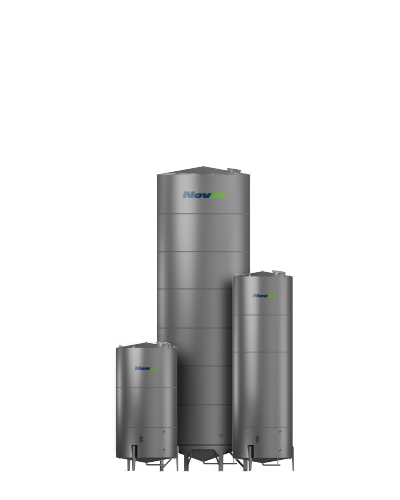
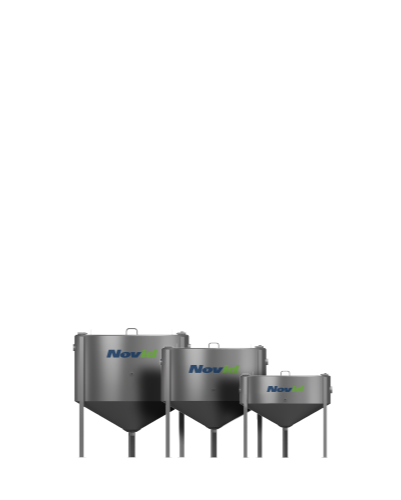
Cone Bottom Storage Mixing Tanks (6'-12' diameter, 1,000-30,000 US gallons) - Custom-engineered for specific applications and designed for complete drainage and easy clean-out
-
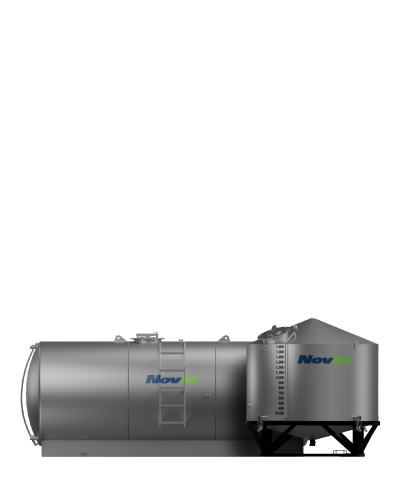
Hot Load Mixing Tanks (1,600 US gallons) - Built for fast, safe hot loads
-
Nurse Mixing Tanks (3,300 US gallons) - Durable mobile storage for field operations
-
Mix Tanks - (60–250 US gallons) - The purest small batch blending
-
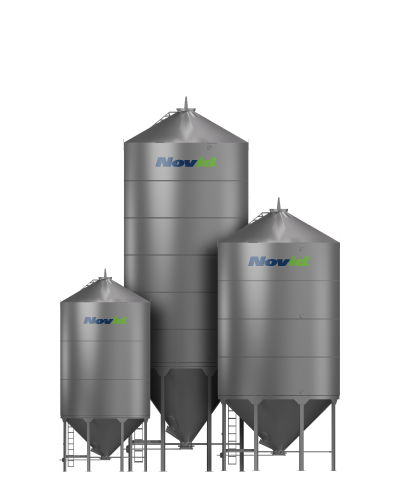
Hopper Bottom Bins (14'-16' diameter, 91-224 tons) - Dry storage with gravity-flow discharge
-
Scale Hopper Bins (12' diameter, 68 tons) - Precision weighing for fertilizer blending
-
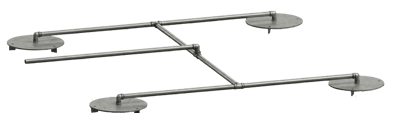
Diffuser Aeration System (DAS) - Revolutionary mixing technology that comes standard on all flat bottom and cone bottom tanks
We use primarily 304L and 316L stainless, and all products are fully customizable to meet your operation's needs.
Stainless steel is incredibly versatile, but there are a few situations where it might not be the best fit:
-
Extremely tight budget with very short-term needs: If you're only storing product for a season or two and budget is the only consideration, a cheaper short-term option might make more sense. But remember—cheap often costs more in the long run.
-
Storing incompatible chemicals: While stainless handles most agricultural chemicals beautifully, there are a few extremely aggressive substances (like high-concentration hydrochloric or sulfuric acid) that require specialized materials. If you're unsure about compatibility with your specific product, you can confirm compatibility of your product at Cole-Parmer and we'll help you determine the right solution.
-
If you're not committed to long-term quality: Stainless is built to last decades. If you're looking for a disposable solution or don't value durability, there are cheaper alternatives. But if you want a tank that'll store for decades, stainless is the way to go.
While stainless steel does have a higher upfront cost than poly or mild steel, it's important to look at the long-term value. Here's the reality: a poly tank might last 5-8 years, mild steel around 7 years, but a Novid stainless tank will last 30+ years with minimal maintenance. We have customers using 20+year-old tanks that look as good as the day they bought them.
When you amortize that initial investment over three decades instead of a few years, stainless becomes the most cost-effective choice. Plus, you eliminate the ongoing costs of maintenance, repairs, and premature replacements.
Want to see the numbers for yourself? We built a Liquid Storage Tank Calculator so you can see for yourself how fast a stainless tank can pay for itself!
Great question—sizing depends on your operation, storage strategy, and product mix. Here are a few ways to figure it out:
Use Our Calculators: We've built interactive calculators to help you quickly determine capacity needs:
Liquid Storage Tank Calculator - Figure out tank capacity, your potential annual savings and payback period
Hopper Bin Storage Calculator - Determine bin capacity, product weights, and bin volume
These tools let you see capacity options and estimated tank weights before you even call us.
Talk to Our Team: Every operation is different. Factors like your acreage, crop mix, application timing, and pricing all affect your ROI and how much storage you need. Our sales team can help you think through the right capacity for your specific situation.
Getting a quote is easy:
Call us: 1-877-956-6843 and talk directly with our sales team
Email us: sales@novid.ca with your requirements
To speed things up, have this information ready:
- Desired capacity (gallons or tons)
- What you'll be storing
- Any specific dimensions or site requirements
- Your location (affects delivery logistics)
- Timeline for needing the tank
We'll work with you to design the perfect solution and provide a detailed quote.
We pride ourselves on responsive service. For standard configurations, you'll typically have a quote within 1-2 business days. Custom or complex projects might take 3-5 days as we engineer the exact solution you need.
Need it faster? Let us know—we'll do our best to accommodate urgent timelines.
We work with a network of trusted dealers across North America.
Many ag retailers and co-ops carry Novid tanks or can order them for you. Your local dealer may offer additional services like installation assistance or integrated chemical programs.
Contact us and we'll connect you with the right dealer.
Timelines vary based on our production schedule and your location, but here's a general breakdown:
Order to Production: Once you approve the quote and submit your order, we'll slot you into our production schedule. Lead times vary seasonally.
Manufacturing: Actual build time depends on tank size and complexity, typically 2-6 weeks.
Delivery: Shipping time depends on your distance from our Rosenort, Manitoba facility.
Total timeline: Plan for 6-12 weeks from order to delivery for most tanks, though this can be longer during peak seasons or shorter if we have production availability.
The best approach? Contact us as early as possible in your planning process. We'll give you an accurate timeline for your specific project and can often work around critical deadlines. Call 1-877-956-6843 to discuss your timeline needs.
Manufacturing & Quality
Every single one.
All Novid tanks are professionally engineered and built by CWB (Canadian Welding Bureau) Division 2 certified welders. This means our facility undergoes frequent quality audits, our welders are certified, and every tank meets strict structural and safety standards.
We don't build tanks from rough sketches or "good enough" specs. Each design is calculated for your specific application, whether that's wind loads, product weight, mixing forces, or transport stresses. Your tank is engineered right the first time.
No.
We're a 100% dedicated stainless steel facility—and we're proud of it. This single-minded focus means there's zero risk of cross-contamination from mild steel (which would cause rust issues) or fiberglass materials. Every tool, every weld, every surface in our facility is dedicated to stainless steel manufacturing.
This dedication shows in the quality. When you're not switching between materials, you develop deep expertise. Our welders, engineers, and quality team know stainless steel inside and out—its properties, its behavior, how to work with it perfectly.
Our specialty is bulk liquid storage solutions, liquid mixing tanks and dry storage bins in stainless steel. Within that realm, we're incredibly flexible and can build custom—custom sizes, unique configurations, special fittings, mounts, you name it. But we stick to what we do best: tanks and bins.
If your project involves stainless steel liquid or dry storage, chances are we can build it. If you need something outside our core expertise
With the proper minimal care required for your Novid tank, it will last 30+ years easily—and likely much longer. We have customers operating 30-year old tanks that look and perform like new. The stainless steel won't rust, won't degrade from UV exposure, and won't be damaged by the corrosive nature of fertilizers and chemicals.
That's why we back our liquid storage tanks with a 10-year warranty and our hopper bins with a 2-year warranty. But realistically? Your tank will outlast those warranties many times over. We're talking about a multi-generational investment here.
Tank weight varies significantly based on size, configuration, and features. Because of all the variables—diameter, height, gauge steel, fittings, accessories—it's best to contact us directly for the specific weight of your tank model. Give our team a call at 1-877-956-6843 or email sales@novid.ca with your tank specs, and we'll get you the exact numbers.
This is especially important if you're planning installation and need to know crane requirements or structural support specifications.
Stainless Steel & Compatibility
There are five big reasons stainless steel is the smart choice for long-term storage:
1. Longevity
Stainless steel withstands the corrosive properties of fertilizer and chemicals for decades. While poly tanks average 5-8 years and mild steel around 7 years, we have customers using 30-year-old Novid tanks that still look great.
2. Low Maintenance
No rust. No degradation. No constant repairs. A yearly inspection is all you need, and you'll find little to no clean-out required. That means less downtime and lower operating costs year after year.
3. Cleaner Product, Every Time:
Liquid fertilizer stored in stainless doesn't pick up rust debris or contaminants. Your product flows cleanly through strainers and filters without clogging—which means better efficiency and less equipment wear.4. Better Return on Investment: Yes, the upfront cost is sometimes higher. But when you calculate the true cost over 30 years compared to replacing poly tanks 6-10 times or mild steel tanks 4+ times, stainless is significantly less expensive. Plus, you avoid the labor and downtime costs of repeated installations.
5. Take Advantage of Market Opportunities:
With high-capacity stainless storage, you can buy fertilizer when prices drop and store it safely until you need it. That flexibility can save you thousands—even tens of thousands—depending on your operation size.
Bonus:
Price-wise, stainless is now nearly comparable to fiberglass tanks, but will far outlast them. It's an investment that pays for itself.
Both are excellent grades of stainless steel, but they're formulated for different applications:
304L Stainless Steel is our standard grade and handles the vast majority of liquid fertilizers and chemicals beautifully. It offers excellent corrosion resistance for common agricultural products like 28-0-0, 10-34-0, and most liquid fertilizer blends. For most farming and ag retail operations, 304L is the perfect choice.
316L Stainless Steel contains molybdenum, which gives it superior resistance to chlorides and more aggressive chemicals. It's the right choice if you're storing products with higher salt content, certain acidic solutions, or chemicals near coastal environments where salt air is a factor. The "L" in both grades means "low carbon," which provides additional corrosion resistance in welded areas—especially important for tanks that have been welded.
Bottom line: If you're storing standard liquid fertilizers, 304L is great. If you're working with more corrosive chemicals or harsher conditions, upgrade to 316L. Not sure which you need? Our sales team can help you match the right grade to your products—give us a call at 1-877-956-6843.
Nope.
That's one of the beautiful things about stainless steel—what you see is what you get. With fiberglass tanks, you often need resin upgrades or special linings depending on what you're storing. With Novid stainless, you simply select the grade (304L or 316L) that's right for your products, and you're done. No ongoing upgrades, no special treatments, no guessing whether your tank can handle a new product line.
Stainless steel is compatible with the vast majority of agricultural chemicals and fertilizers, including:
- Liquid fertilizers: 28-0-0 (UAN), 10-34-0 (APP), 11-37-0, and most other NPK formulations
- Nitrogen solutions and ammonium-based products
- Many herbicides, insecticides, and pesticides
- Water-based chemical solutions
- Most micronutrients and additives
The key is matching the right grade of stainless (304L vs. 316L) to your products. 304L handles most common agricultural chemicals beautifully, while 316L offers extra protection for more aggressive solutions or products with higher chloride content.
What to watch for: A few highly aggressive acids at high concentrations (like strong hydrochloric or sulfuric acid) may require alternative materials or special handling.
Our recommendation: Send us a list of the products you plan to store. We'll review your chemicals and recommend the right grade and configuration. Alternatively, check your chemical compatibility at Cole-Parmer.
Contact us at 1-877-956-6843 or sales@novid.ca
Delivery & Prep
We offer both options to fit your needs.
Delivery Option: We can ship your tank directly to your site. Shipping costs vary based on distance, tank size, and delivery location accessibility. We provide competitive shipping quotes as part of your overall tank quote—you'll never be surprised by unexpected freight charges. For an accurate shipping estimate for your specific location and tank, contact our sales team at 1-877-956-6843 or sales@novid.ca.
Pickup Option: Pickup is available Tuesday through Thursday. If you prefer to pick up your tank, here's what you need to know:Scheduling: Call us at 1-877-956-6843 at least one week in advance to arrange a confirmed pickup date.
Your Responsibilities:
- Arrange and cover all routing, permitting, and shipping-related expenses
- Provide your own equipment to secure the tank to your trailer
- Ensure the load is properly chained down (Novid will load the tank onto your trailer, but securing it is your job)
Recommended Tie-Down Equipment (per tank):
- 2x 5/8" Clevis pins
- 2x 3/4" Clevis pins
- 4x Chains
- 4x Binders
- 4x 6"x6" Wooden blocks (for load stability)
USA-Bound Loads: If you're picking up for transport to the USA, you'll need to provide customs information and a PAPS number to our transport team before pickup.
The pickup option works great if you have the equipment and want to save on freight costs. Either way, we'll make sure your tank is ready to go.
Absolutely, communication is key to a smooth delivery.
Our logistics team will contact most customers about 4 weeks before the delivery date, and then a final follow-up call the week before.
Our team will keep you updated on:
- Estimated shipping dates
- Carrier information
- Expected delivery windows
- Any schedule changes
You'll know when to expect your tank and can plan accordingly. We want your delivery day to be exciting, not stressful.
Great question—preparation makes delivery day smooth and safe. Here's what you need ready:
Site Preparation:
- Concrete pad poured and cured (see "How thick does my concrete pad need to be?")
- Clear access path for delivery truck (consider truck length and turning radius)
- Level, stable ground for truck positioning
Equipment (if applicable):
- Crane scheduled if required (larger tanks, or if tipping isn't possible)
- Forklift or skid-steer, if helpful for positioning
Logistics:
- Notify us of any site access restrictions (narrow roads, low power lines, gates, etc.)
- Have someone on-site to receive delivery and sign off
- Check local requirements for escort vehicles or permits for oversized loads
Your tank comes seasonally wrapped for protection during transport.
We'll provide specific prep instructions based on your tank model when you order.
Pad thickness depends on your tank's size, weight when full, and soil conditions at your site. Here are general guidelines:
Minimum recommendations:
- Small to medium tanks (eg. 1220): 14 inches of reinforced concrete
- Large tanks (eg. 1235–1440): 18 inches of reinforced concrete
- Extra-large tanks (eg. 1640–1840): 20" inches of reinforced concrete, potentially with additional footings
These are just examples, please read our Concrete Foundation Guide for more information.
Critical factors:
- Soil bearing capacity at your site
- Local frost depth (pad must extend below frost line)
- Proper base preparation with compacted gravel
- Reinforcement with rebar or wire mesh
- Professional concrete installation with adequate curing time
Our strong recommendation: Consult with a local concrete contractor or structural engineer who knows your soil conditions and local building codes. They can design a pad that will properly support your specific tank for decades.
When you order your tank, we'll provide you with the weight specifications and load distribution information your contractor needs. Questions? Call us at 1-877-956-6843.
Crane rental is typically arranged by you, the customer. Since you're local to the installation site, you'll have the best relationships with crane companies in your area and knowledge of local rates.
We're happy to provide specifications for what crane capacity you'll need based on your tank's weight and dimensions. Just ask when you place your order, and we'll make sure you have all the details to book the right equipment.
Our drivers are transport professionals, and their job is to safely deliver your tank to your site. They can assist with unloading using the truck's equipment where appropriate, but they're not installers.
Installation is typically done by you, your team, or a local contractor. Don't worry—we provide detailed installation instructions with every tank (see next question).
Sometimes Mother Nature or unexpected events throw a wrench in our plans. If weather, road conditions, or other circumstances delay your delivery, we'll:
- Contact you immediately with updates
- Provide revised delivery estimates as soon as possible
- Work with our carrier to reschedule at the earliest opportunity
- Keep communicating until your tank is safely delivered
We know you're planning around that delivery date, so we do everything possible to minimize disruptions and keep you informed. Your patience during unavoidable delays is appreciated—we're working hard behind the scenes to get your tank to you safely.
While rare, shipping damage or missing components can happen. Here's what to do:
- Document everything immediately - Take photos of any damage or note missing items before the driver leaves
- Note it on the delivery receipt - Make sure damage or shortages are documented on the carrier's paperwork
- Submit a claim or contact us right away - Call 1-877-956-6843 or email sales@novid.ca within 24 hours
We'll work with you and the carrier to resolve the issue quickly. Depending on the situation, we'll either ship replacement parts, file a freight claim, or arrange for repair. Your satisfaction is our priority, and we'll make it right
Installation
You or your local contractor typically handles installation. Most farmers, ag retailers, and co-ops prefer to do their own installation since you know your site best and have the equipment on hand.
That said, we're here to support you. We provide comprehensive installation and operation manuals with every tank. If you run into questions during installation, our team is just a phone call away at 1-877-956-6843.
For complex installations or if you need professional assistance, we can sometimes provide recommendations for local contractors in your area
Yes—detailed instructions come with every tank. You can access them:
- In the documentation shipped with your tank
- On our website
- By scanning the QR code on our product materials
The manuals cover everything from site preparation to tank assembly to system startup. They're written in clear, straightforward language with helpful diagrams.
If you have questions that aren't covered in the manual, our support team is available at 1-877-956-6843.
Installation methods depend on the tank type, but here's the general process:
Flat Bottom Tanks:
- Prepare level concrete pad to specification
- Position tank on pad using crane or forklift
- Install sight tube assembly
- Connect plumbing and fittings
- Secure anchor tabs if in high-wind area
- Install ladder (if equipped)
- Test for leaks and proper function
Cone Bottom Tanks:
- Prepare pad with proper support structure for cone
- Stand tank using crane or tipping method (see "How do I stand my tank?")
- Install plumbing and accessories
- Complete same steps as flat bottom for fittings and testing
Hopper Bins:
- Prepare level pad or install on skids
- Stand hopper using crane or tipping method (see tipping limitations below)
- Install slide gate, ladder, and accessories
- Test operation
Always follow the detailed manual for your specific tank model. Every tank is slightly different based on size and configuration.
The sight tube assembly comes with your tank and includes all necessary components.
Assembly is straightforward:
- Begin by applying Teflon tape and then compound paste to all male threaded parts
- Thread the close nipple onto the sight tube coupler location on the tank.
- Thread the ball valve onto the close nipple.
- Thread the street elbow onto the ball valve. Ensure the street elbow is facing up when fully tightened.
- Thread the hose barb onto the street elbow.
- Insert the reducer into the hose barb.
- Place the red level indicator ball onto the reducer.
- Attach the sight tube hose located on the tank to the hose barb and determine how much excess tubing to cut off. Some slack is acceptable.
- Tighten the hose clamp onto the sight tube hose and hose barb.
We're currently improving our sight tube assembly documentation to make this even clearer. In the meantime, if you have any questions during assembly, call us at 1-877-956-6843 and we'll walk you through it.
Nope—our nitrile gaskets are designed to seal properly without any adhesive. The gasket compression from the manway bolts creates a perfect seal.
Just make sure:
- The mating surfaces are clean and dry
- The gasket is positioned correctly
- You tighten the manway bolts in a star pattern (not around in a circle) for even compression
If you're getting leaks, it's usually a bolt-tightness issue, not a gasket problem. Still having trouble?
Give us a call at 1-877-956-6843.
For cone bottom tanks and hopper bins, standing the tank is a critical step. The method depends on your tank size and equipment available:
Tipping Method (for smaller tanks): This involves carefully tipping the tank from horizontal to vertical using equipment like a skid-steer, telehandler, or tractor. Your installation manual includes the detailed procedure with safety guidelines.
Crane Method (for larger tanks): Larger tanks require a crane for safe standing. This is the recommended method for:
- Any tank where safety is a concern for tipping
- Tanks beyond tipping size limits (see below)
When you MUST use a crane:
- 30'+ sidewall height, or tanks with leg extensions
- 30' sidewall with 55-degree cone
- Any situation where tipping equipment isn't adequate
When tipping MIGHT work:
- 25' sidewall - yes, tipping works well
- 30' sidewall with 40- or 50-degree cone - maybe, depending on equipment and experience
Safety first: If there's any question about safely tipping your tank, use a crane. It's not worth the risk of injury or tank damage. Need specific guidance for your tank? Call us at 1-877-956-6843.
Service & Support
Proper emptying and cleaning keeps your tank in top shape and prevents product contamination:
Emptying:
- Use your tank's discharge valve or pump to remove product
- For cone bottom tanks, the cone design ensures complete drainage with minimal residue
- For flat bottom tanks, pump down to the lowest point possible
Cleaning:
- Remove as much product as possible first
- For most applications, rinse with water through the manway or using the internal tank wash (if equipped)
- For thorough cleaning, consider using a pressure washer through the manway
- Nurse tanks feature anti-contamination clean-out design for easy maintenance
- Allow tank to drain completely
Important: If switching between incompatible products, more thorough cleaning may be required. Check with your chemical supplier for specific cleaning protocols.
Stainless steel advantage: Unlike poly or mild steel tanks, stainless steel doesn't harbor rust or corrosion, making cleaning much easier and more effective.
Novid has you covered for replacement parts and supplies:Contact us directly:
- Phone: 1-877-956-6843
- Email: sales@novid.ca
- Website: We're currently working on an online parts store to make parts orders a breeze, so stay tuned.
We stock common replacement parts like:
- Manway gaskets
- Valves and couplers
- Sight tube components
- DAS system parts
- Accessories
For your order, we'll need your tank model and serial number (located on your tank's serial plate) to ensure you get exactly the right parts.
We stand behind our work with an industry-leading warranty:
Liquid Storage Tanks (Flat and cone bottom tanks):
- 10-year leak warranty
- Coverage includes manufacturing defects and weld integrity
Liquid Transport Tanks (Nurse and hot load tanks)
- 3-year leak warranty
- Coverage includes manufacturing defects and weld integrity
Hopper Bottom Bins:
- 2-year warranty
- Coverage for manufacturing defects and weld integrity
What's covered:
- All welded joints
- Structural integrity
- Dye-penetrant tested welds
- Manufacturing defects
What's not covered:
- Damage from improper installation
- Damage from storing incompatible chemicals
- Normal wear and tear
- Damage from accidents or misuse
Our confidence in these warranties comes from 20+ years of experience and our commitment to quality. We engineer tanks to last decades beyond the warranty period. If you have a warranty question or concern, contact us at 1-877-956-6843.
Tank moving is handled on a case-by-case basis. If you're purchasing a new Novid tank and need an old tank moved, contact our sales team at 1-877-956-6843 to discuss your specific situation.
We evaluate each request based on:
- Novid Transport availability
- Priority on new tank deliveries
- Logistics of the specific move
- Your location
We'll give you an honest assessment of whether we can help or recommend local contractors who specialize in tank moving.
Find answers to the most common questions about bulk liquid storage.
Sales & Ordering
What products does Novid offer?
We specialize in stainless steel storage solutions for the agricultural and industrial sectors. Our product lineup includes:
- Flat Bottom Storage Mixing Tanks (8'-18' diameter, 2,000-106,000 US gallons) - Perfect for bulk liquid fertilizer and chemical storage
- Cone Bottom Storage Mixing Tanks (6'-12' diameter, 1,000-30,000 US gallons) - Custom-engineered for specific applications and designed for complete drainage and easy clean-out
- Hot Load Mixing Tanks (1,600 US gallons) - Built for fast, safe hot loads
- Nurse Mixing Tanks (3,300 US gallons) - Durable mobile storage for field operations
- Mix Tanks - (60–250 US gallons) - The purest small batch blending
- Hopper Bottom Bins (14'-16' diameter, 91-224 tons) - Dry storage with gravity-flow discharge
- Scale Hopper Bins (12' diameter, 68 tons) - Precision weighing for fertilizer blending
- Diffuser Aeration System (DAS) - Revolutionary mixing technology that comes standard on all flat bottom and cone bottom tanks
We use primarily 304L and 316L stainless, and all products are fully customizable to meet your operation's needs.
When is a Novid stainless steel tank NOT right for me?
Stainless steel is incredibly versatile, but there are a few situations where it might not be the best fit:
- Extremely tight budget with very short-term needs: If you're only storing product for a season or two and budget is the only consideration, a cheaper short-term option might make more sense. But remember—cheap often costs more in the long run.
- Storing incompatible chemicals: While stainless handles most agricultural chemicals beautifully, there are a few extremely aggressive substances (like high-concentration hydrochloric or sulfuric acid) that require specialized materials. If you're unsure about compatibility with your specific product, you can confirm compatibility of your product at Cole-Parmer and we'll help you determine the right solution.
- If you're not committed to long-term quality: Stainless is built to last decades. If you're looking for a disposable solution or don't value durability, there are cheaper alternatives. But if you want a tank that'll store for decades, stainless is the way to go.
How expensive are Novid stainless steel tanks?
While stainless steel does have a higher upfront cost than poly or mild steel, it's important to look at the long-term value. Here's the reality: a poly tank might last 5-8 years, mild steel around 7 years, but a Novid stainless tank will last 30+ years with minimal maintenance. We have customers using 20+year-old tanks that look as good as the day they bought them.
When you amortize that initial investment over three decades instead of a few years, stainless becomes the most cost-effective choice. Plus, you eliminate the ongoing costs of maintenance, repairs, and premature replacements.
Want to see the numbers for yourself? We built a Liquid Storage Tank Calculator so you can see for yourself how fast a stainless tank can pay for itself!
How can I figure out what size tank or bin I need?
Great question—sizing depends on your operation, storage strategy, and product mix. Here are a few ways to figure it out:
Use Our Calculators: We've built interactive calculators to help you quickly determine capacity needs:
Liquid Storage Tank Calculator - Figure out tank capacity, your potential annual savings and payback period
Hopper Bin Storage Calculator - Determine bin capacity, product weights, and bin volume
These tools let you see capacity options and estimated product weights before you even call us.
Talk to Our Team: Every operation is different. Factors like your acreage, crop mix, application timing, and pricing all affect your ROI and how much storage you need. Our sales team can help you think through the right capacity for your specific situation.
How can I get a quote on your storage products?
Getting a quote is easy:
Call us: 1-877-956-6843 and talk directly with our sales team
Email us: sales@novid.ca with your requirements
To speed things up, have this information ready:
- Desired capacity (gallons or tons)
- What you'll be storing
- Any specific dimensions or site requirements
- Your location (affects delivery logistics)
- Timeline for needing the tank
We'll work with you to design the perfect solution and provide a detailed quote.
How long does it take to get a quote for stainless storage?
We pride ourselves on responsive service. For standard configurations, you'll typically have a quote within 1-2 business days. Custom or complex projects might take 3-5 days as we engineer the exact solution you need.
Need it faster? Let us know—we'll do our best to accommodate urgent timelines.
Do I order from Novid directly, or through a dealer?
We've established a network of trusted Novid dealers across North America; however, we also sell direct-to-customer, depending on where you're located.
Contact us, and we'll connect you with the right dealer, or click here to find a dealer near you.
What is the expected timeline for ordering, manufacturing, and delivery?
Timelines vary based on our production schedule and your location, but here's a general breakdown:
Order to Production: Once you approve the quote and submit your order, we'll slot you into our production schedule. Lead times vary seasonally.
Manufacturing: Actual build time depends on tank size and complexity, typically 2-6 weeks.
Delivery: Shipping time depends on your distance from our Rosenort, Manitoba facility.
Total timeline: Plan for 6-12 weeks from order to delivery for most tanks, though this can be longer during peak seasons or shorter if we have production availability.
The best approach? Contact us as early as possible in your planning process. We'll give you an accurate timeline for your specific project and can often work around critical deadlines. Call 1-877-956-6843 to discuss your timeline needs.
Manufacturing & Quality
Can I get a custom tank built?
Absolutely, our custom & industrial line is exactly what you're looking for. Whether you need specific dimensions, unique fittings, special configurations, or custom capacity—we'll engineer it to your exact specifications. Our sales and professional engineering team works with you from concept to delivery to ensure your tank fits your operation perfectly.
Are your tanks professionally engineered?
Do you manufacture with mild steel or fiberglass?
No.
We're a 100% dedicated stainless steel facility—and we're proud of it. This single-minded focus means there's zero risk of cross-contamination from mild steel (which would cause rust issues) or fiberglass materials. Every tool, every weld, every surface in our facility is dedicated to stainless steel manufacturing.
This dedication shows in the quality. When you're not switching between materials, you develop deep expertise. Our welders, engineers, and quality team know stainless steel inside and out—its properties, its behavior, how to work with it perfectly.
Would you manufacture anything I want?
Our specialty is bulk liquid storage solutions, liquid mixing tanks and dry storage bins in stainless steel. Within that realm, we're incredibly flexible and can build custom—custom sizes, unique configurations, special fittings, mounts, you name it. But we stick to what we do best: tanks and bins.
If your project involves stainless steel liquid or dry storage, chances are we can build it. If you need something outside our core expertise
How long will Novid stainless tanks last?
With the proper minimal care required for your Novid tank, it will last 30+ years easily—and likely much longer. We have customers operating 30-year old tanks that look and perform like new. The stainless steel won't rust, won't degrade from UV exposure, and won't be damaged by the corrosive nature of fertilizers and chemicals.
That's why we back our liquid storage tanks with a 10-year warranty and our hopper bins with a 2-year warranty. But realistically? Your tank will outlast those warranties many times over. We're talking about a multi-generational investment here.
How heavy is my tank?
Tank weight varies significantly based on size, configuration, and features. Because of all the variables—diameter, height, gauge steel, fittings, accessories—it's best to contact us directly for the specific weight of your tank model. Give our team a call at 1-877-956-6843 or email sales@novid.ca with your tank specs, and we'll get you the exact numbers.
This is especially important if you're planning installation and need to know crane requirements or structural support specifications.
Stainless Steel & Compatibility
Why choose stainless steel tanks over poly or fiberglass?
There are five big reasons stainless steel is the smart choice for long-term storage:
1. Longevity
Stainless steel withstands the corrosive properties of fertilizer and chemicals for decades. While poly tanks average 5-8 years and mild steel around 7 years, we have customers using 30-year-old Novid tanks that still look great.
2. Low Maintenance
No rust. No degradation. No constant repairs. A yearly inspection is all you need, and you'll find little to no clean-out required. That means less downtime and lower operating costs year after year.
3. Cleaner Product, Every Time:
Liquid fertilizer stored in stainless doesn't pick up rust debris or contaminants. Your product flows cleanly through strainers and filters without clogging—which means better efficiency and less equipment wear.4. Better Return on Investment: Yes, the upfront cost is sometimes higher. But when you calculate the true cost over 30 years compared to replacing poly tanks 6-10 times or mild steel tanks 4+ times, stainless is significantly less expensive. Plus, you avoid the labor and downtime costs of repeated installations.
5. Take Advantage of Market Opportunities:
With high-capacity stainless storage, you can buy fertilizer when prices drop and store it safely until you need it. That flexibility can save you thousands—even tens of thousands—depending on your operation size.
Bonus:
Price-wise, stainless is now nearly comparable to fiberglass tanks, but will far outlast them. It's an investment that pays for itself.
What's the difference between 316L stainless steel and 304L stainless steel?
Both are excellent grades of stainless steel, but they're formulated for different applications:
304L Stainless Steel is our standard grade and handles the vast majority of liquid fertilizers and chemicals beautifully. It offers excellent corrosion resistance for common agricultural products like 28-0-0, 10-34-0, and most liquid fertilizer blends. For most farming and ag retail operations, 304L is the perfect choice.
316L Stainless Steel contains molybdenum, which gives it superior resistance to chlorides and more aggressive chemicals. It's the right choice if you're storing products with higher salt content, certain acidic solutions, or chemicals near coastal environments where salt air is a factor. The "L" in both grades means "low carbon," which provides additional corrosion resistance in welded areas—especially important for tanks that have been welded.
Bottom line: If you're storing standard liquid fertilizers, 304L is great. If you're working with more corrosive chemicals or harsher conditions, upgrade to 316L. Not sure which you need? Our sales team can help you match the right grade to your products—give us a call at 1-877-956-6843.
Do I need to upgrade my tank for chemical compatibility like you would with a fiberglass tank?
Nope.
That's one of the beautiful things about stainless steel—what you see is what you get. With fiberglass tanks, you often need resin upgrades or special linings depending on what you're storing. With Novid stainless, you simply select the grade (304L or 316L) that's right for your products, and you're done. No ongoing upgrades, no special treatments, no guessing whether your tank can handle a new product line.
Does Novid have a way to enhance the chemical resistivity of the steel?
The steel itself is the protection. Unlike coated tanks that can chip, crack, or degrade over time, stainless steel's corrosion resistance is built into the material itself. By selecting the appropriate grade (304L or 316L) for your specific chemicals, you get inherent, permanent protection that won't wear out or need reapplication. The resistance goes all the way through the steel, not just on the surface.
What chemicals and fertilizers is stainless steel compatible with?
Stainless steel is compatible with the vast majority of agricultural chemicals and fertilizers, including:
- Liquid fertilizers: 28-0-0 (UAN), 10-34-0 (APP), 11-37-0, and most other NPK formulations
- Nitrogen solutions and ammonium-based products
- Many herbicides, insecticides, and pesticides
- Water-based chemical solutions
- Most micronutrients and additives
The key is matching the right grade of stainless (304L vs. 316L) to your products. 304L handles most common agricultural chemicals beautifully, while 316L offers extra protection for more aggressive solutions or products with higher chloride content.
What to watch for: A few highly aggressive acids at high concentrations (like strong hydrochloric or sulfuric acid) may require alternative materials or special handling.
Our recommendation: Send us a list of the products you plan to store. We'll review your chemicals and recommend the right grade and configuration. Alternatively, check your chemical compatibility at Cole-Parmer.
Contact us at 1-877-956-6843 or sales@novid.ca
Delivery & Prep
Do you deliver or can I pick up my tank?
We offer both options to fit your needs.
Delivery Option: We can ship your tank directly to your site. Shipping costs vary based on distance, tank size, and delivery location accessibility. We provide competitive shipping quotes as part of your overall tank quote—you'll never be surprised by unexpected freight charges. For an accurate shipping estimate for your specific location and tank, contact our sales team at 1-877-956-6843 or sales@novid.ca.
Pickup Option: Pickup is available Tuesday through Thursday. If you prefer to pick up your tank, here's what you need to know:Scheduling: Call us at 1-877-956-6843 at least one week in advance to arrange a confirmed pickup date.
Your Responsibilities:
- Arrange and cover all routing, permitting, and shipping-related expenses
- Provide your own equipment to secure the tank to your trailer
- Ensure the load is properly chained down (Novid will load the tank onto your trailer, but securing it is your job)
Recommended Tie-Down Equipment (per tank):
- 2x 5/8" Clevis pins
- 2x 3/4" Clevis pins
- 4x Chains
- 4x Binders
- 4x 6"x6" Wooden blocks (for load stability)
USA-Bound Loads: If you're picking up for transport to the USA, you'll need to provide customs information and a PAPS number to our transport team before pickup.
The pickup option works great if you have the equipment and want to save on freight costs. Either way, we'll make sure your tank is ready to go.
Does your logistics team keep us informed about our tank's delivery?
Absolutely, communication is key to a smooth delivery.
Our logistics team will contact most customers about 4 weeks before the delivery date, and then a final follow-up call the week before.
Our team will keep you updated on:
- Estimated shipping dates
- Carrier information
- Expected delivery windows
- Any schedule changes
You'll know when to expect your tank and can plan accordingly. We want your delivery day to be exciting, not stressful.
How can I prepare for delivery?
Great question—preparation makes delivery day smooth and safe. Here's what you need ready:
Site Preparation:
- Concrete pad poured and cured (see "How thick does my concrete pad need to be?")
- Clear access path for delivery truck (consider truck length and turning radius)
- Level, stable ground for truck positioning
Equipment (if applicable):
- Crane scheduled if required (larger tanks, or if tipping isn't possible)
- Forklift or skid-steer, if helpful for positioning
Logistics:
- Notify us of any site access restrictions (narrow roads, low power lines, gates, etc.)
- Have someone on-site to receive delivery and sign off
- Check local requirements for escort vehicles or permits for oversized loads
Your tank comes seasonally wrapped for protection during transport.
We'll provide specific prep instructions based on your tank model when you order.
How thick does my concrete pad need to be to hold a tank?
Pad thickness depends on your tank's size, weight when full, and soil conditions at your site. Here are general guidelines:
Minimum recommendations:
- Small to medium tanks (eg. 1220): 14 inches of reinforced concrete
- Large tanks (eg. 1235–1440): 18 inches of reinforced concrete
- Extra-large tanks (eg. 1640–1840): 20" inches of reinforced concrete, potentially with additional footings
These are just examples, please read our Concrete Foundation Guide for more information.
Critical factors:
- Soil bearing capacity at your site
- Local frost depth (pad must extend below frost line)
- Proper base preparation with compacted gravel
- Reinforcement with rebar or wire mesh
- Professional concrete installation with adequate curing time
Our strong recommendation: Consult with a local concrete contractor or structural engineer who knows your soil conditions and local building codes. They can design a pad that will properly support your specific tank for decades.
When you order your tank, we'll provide you with the weight specifications and load distribution information your contractor needs. Questions? Call us at 1-877-956-6843.
If I need a crane, do you book that or do I?
Crane rental is typically arranged by you, the customer. Since you're local to the installation site, you'll have the best relationships with crane companies in your area and knowledge of local rates.
We're happy to provide specifications for what crane capacity you'll need based on your tank's weight and dimensions. Just ask when you place your order, and we'll make sure you have all the details to book the right equipment.
Will your drivers help with installing my tank?
Our drivers are transport professionals, and their job is to safely deliver your tank to your site. They can assist with unloading using the truck's equipment where appropriate, but they're not installers.
Installation is typically done by you, your team, or a local contractor. Don't worry—we provide detailed installation instructions with every tank (see next question).
What happens if there's a delay in delivery due to weather or unforeseen circumstances?
Sometimes Mother Nature or unexpected events throw a wrench in our plans. If weather, road conditions, or other circumstances delay your delivery, we'll:
- Contact you immediately with updates
- Provide revised delivery estimates as soon as possible
- Work with our carrier to reschedule at the earliest opportunity
- Keep communicating until your tank is safely delivered
We know you're planning around that delivery date, so we do everything possible to minimize disruptions and keep you informed. Your patience during unavoidable delays is appreciated—we're working hard behind the scenes to get your tank to you safely.
What if I notice something missing or damaged when I get my tank?
While rare, shipping damage or missing components can happen. Here's what to do:
- Document everything immediately - Take photos of any damage or note missing items before the driver leaves
- Note it on the delivery receipt - Make sure damage or shortages are documented on the carrier's paperwork
- Submit a claim or contact us right away - Call 1-877-956-6843 or email sales@novid.ca within 24 hours
We'll work with you and the carrier to resolve the issue quickly. Depending on the situation, we'll either ship replacement parts, file a freight claim, or arrange for repair. Your satisfaction is our priority, and we'll make it right
Installation
Do you install my tank or do I?
You or your local contractor typically handles installation. Most farmers, ag retailers, and co-ops prefer to do their own installation since you know your site best and have the equipment on hand.
That said, we're here to support you. We provide comprehensive installation and operation manuals with every tank. If you run into questions during installation, our team is just a phone call away at 1-877-956-6843.
For complex installations or if you need professional assistance, we can sometimes provide recommendations for local contractors in your area
Are installation instructions provided?
Yes—detailed instructions come with every tank. You can access them:
- In the documentation shipped with your tank
- On our website
- By scanning the QR code on our product materials
The manuals cover everything from site preparation to tank assembly to system startup. They're written in clear, straightforward language with helpful diagrams.
If you have questions that aren't covered in the manual, our support team is available at 1-877-956-6843.
How does a tank get installed anyway?
Installation methods depend on the tank type, but here's the general process:
Flat Bottom Tanks:
- Prepare level concrete pad to specification
- Position tank on pad using crane or forklift
- Install sight tube assembly
- Connect plumbing and fittings
- Secure anchor tabs if in high-wind area
- Install ladder (if equipped)
- Test for leaks and proper function
Cone Bottom Tanks:
- Prepare pad with proper support structure for cone
- Stand tank using crane or tipping method (see "How do I stand my tank?")
- Install plumbing and accessories
- Complete same steps as flat bottom for fittings and testing
Hopper Bins:
- Prepare level pad or install on skids
- Stand hopper using crane or tipping method (see tipping limitations below)
- Install slide gate, ladder, and accessories
- Test operation
Always follow the detailed manual for your specific tank model. Every tank is slightly different based on size and configuration.
How does the sight tube assembly get put together?
The sight tube assembly comes with your tank and includes all necessary components.
Assembly is straightforward:
- Begin by applying Teflon tape and then compound paste to all male threaded parts
- Thread the close nipple onto the sight tube coupler location on the tank.
- Thread the ball valve onto the close nipple.
- Thread the street elbow onto the ball valve. Ensure the street elbow is facing up when fully tightened.
- Thread the hose barb onto the street elbow.
- Insert the reducer into the hose barb.
- Place the red level indicator ball onto the reducer.
- Attach the sight tube hose located on the tank to the hose barb and determine how much excess tubing to cut off. Some slack is acceptable.
- Tighten the hose clamp onto the sight tube hose and hose barb.
We're currently improving our sight tube assembly documentation to make this even clearer. In the meantime, if you have any questions during assembly, call us
Service & Support
How do I empty and clean my tank?
Proper emptying and cleaning keeps your tank in top shape and prevents product contamination:
Emptying:
- Use your tank's discharge valve or pump to remove product
- For cone bottom tanks, the cone design ensures complete drainage with minimal residue
- For flat bottom tanks, pump down to the lowest point possible
Cleaning:
- Remove as much product as possible first
- For most applications, rinse with water through the manway or using the internal tank wash (if equipped)
- For thorough cleaning, consider using a pressure washer through the manway
- Nurse tanks feature anti-contamination clean-out design for easy maintenance
- Allow tank to drain completely
Important: If switching between incompatible products, more thorough cleaning may be required. Check with your chemical supplier for specific cleaning protocols.
Stainless steel advantage: Unlike poly or mild steel tanks, stainless doesn't harbor rust or corrosion, making cleaning much easier and more effective.
Where can I get parts or supplies for my tank?
Novid has you covered for replacement parts and supplies.
Contact us directly:
Phone: 1-877-956-6843
Email: sales@novid.ca
Website: We're currently working on an online parts store to make parts orders a breeze, so stay tuned.
We stock common replacement parts like:
- Manway gaskets
- Valves and couplers
- Sight tube components
- DAS system parts
- Accessories
For your order, we'll need your tank model and serial number (located on your tank's serial plate) to ensure you get exactly the right parts.
What kind of warranty do you offer on your products?
We stand behind our work with an industry-leading warranty:
Liquid Storage Tanks (Flat and cone bottom tanks):
- 10-year leak warranty
- Coverage includes manufacturing defects and weld integrity
Liquid Transport Tanks (Nurse and hot load tanks)
- 3-year leak warranty
- Coverage includes manufacturing defects and weld integrity
Hopper Bottom Bins:
- 2-year warranty
- Coverage for manufacturing defects and weld integrity
What's covered:
- All welded joints
- Structural integrity
- Dye-penetrant tested welds
- Manufacturing defects
What's not covered:
- Damage from improper installation
- Damage from storing incompatible chemicals
- Normal wear and tear
- Damage from accidents or misuse
Our confidence in these warranties comes from 20+ years of experience and our commitment to quality. We engineer tanks to last decades beyond the warranty period. If you have a warranty question or concern, contact us at 1-877-956-6843.
Would you move my old tank, or a used tank if I buy one?
Tank moving is handled on a case-by-case basis. If you're purchasing a new Novid tank and need an old tank moved, contact our sales team at 1-877-956-6843 to discuss your specific situation.We evaluate each request based on:
- Novid Transport availability
- Priority on new tank deliveries
- Logistics of the specific move
- Your location
We'll give you an honest assessment of whether we can help or recommend local contractors who specialize in tank moving